- The five causes
- The late inbound aircraft
- When the FAA is holding you
- How to find out which one
- What you are owed
Quick answers
What is the most common reason for a flight delay?
In US government data, the two biggest causes year after year are a late-arriving aircraft (the plane for your flight is late from its previous trip) and the airline's own issues, such as crew, maintenance, cleaning or fueling. Weather and FAA traffic programs account for a smaller share.
How can I tell if my delay is caused by the FAA?
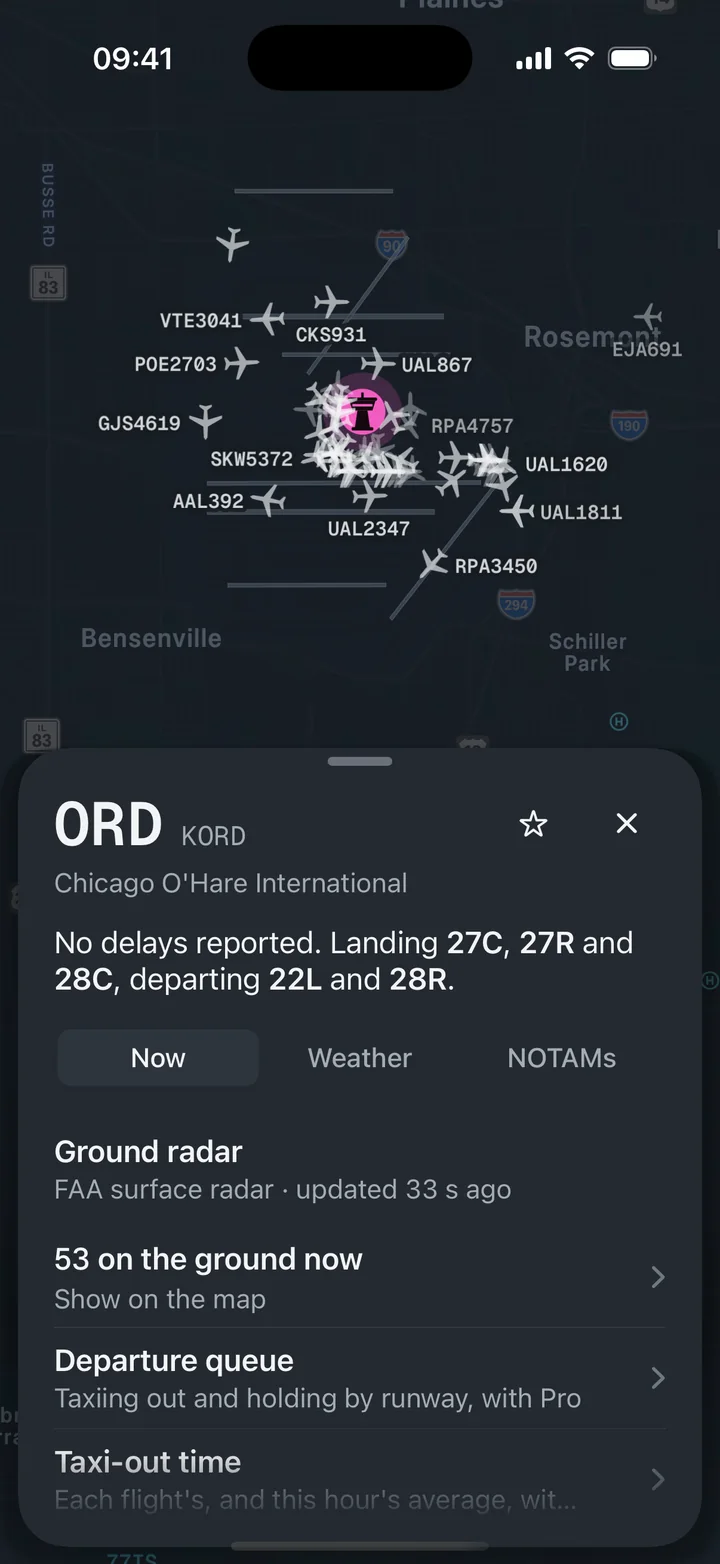
Check the FAA status of your departure and destination airports. If either has a ground stop or ground delay program, the delay is systemic and ends when the program does. If both show no FAA delays, the cause is specific to your flight.
What is an EDCT?
An expect departure clearance time: the slot a flight is given during a ground delay program. The aircraft leaves the gate in time to take off near its EDCT, whatever the schedule says.
Do I get a refund if my flight is delayed?
Under US Department of Transportation rules, if a domestic flight is delayed three hours or more (six hours for international) and you choose not to travel, you are entitled to a refund of the ticket. Meals and hotels depend on the airline's own commitments.
The five causes the government tracks
US airlines report the cause of every flight that arrives 15 minutes or more late, and the Bureau of Transportation Statistics publishes the totals. The five categories are:
- Air carrier. Anything within the airline's control: crew availability, maintenance, cleaning, fueling, baggage, boarding.
- Late-arriving aircraft. The aircraft assigned to your flight arrived late from its previous flight.
- National Aviation System. Delays imposed by the air traffic system: delay programs, heavy traffic volume, non-extreme weather that reduces capacity, runway closures.
- Extreme weather. Weather severe enough to stop operations at an airport: hurricanes, blizzards, tornadoes.
- Security. Terminal evacuations, screening breakdowns, long security lines. The smallest category by far.
Most delays are not about the sky at all. They are about the aircraft and the people who fly it arriving on time.
The late inbound aircraft
A single aircraft flies four to six trips a day. A thunderstorm in Chicago at noon delays the plane that will later fly your evening flight out of Denver, even if the weather in Denver is perfect. This is why delays pile up through the day and why the first flight of the morning is the most reliable one.
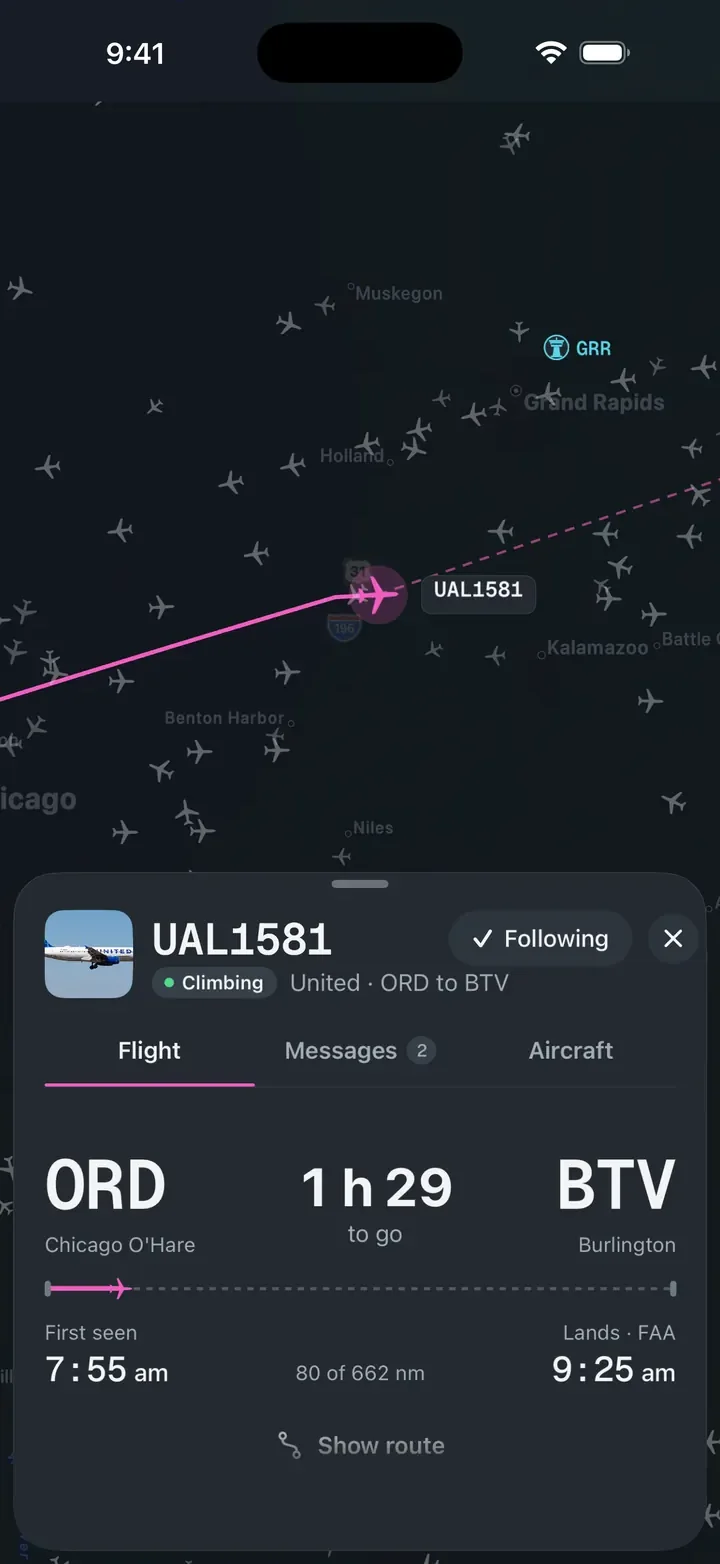
The quickest way to understand an inbound delay is to look at where your aircraft is now. If it has not left its previous airport, your flight cannot leave on time, whatever the departures board says.
When the FAA is holding you
If your destination cannot accept arrivals at the scheduled rate, the FAA holds flights on the ground before they take off. A ground stop holds everything until it lifts. A ground delay program gives each flight a slot, an EDCT, and your flight leaves when its slot comes up. The guide on ground stops and delay programs explains both.
These delays are not the airline's fault and every carrier flying to that airport has them. They end when the program ends, which is often tied to the weather: a line of storms passing, low cloud lifting.
How to find out which one you have
- Check the FAA status of your destination and your departure airport on their airport pages, or the national ground stops page. A listed program means the delay is systemic.
- If the FAA shows nothing, check where your inbound aircraft is. Your airline's app usually shows it under the flight details.
- If the aircraft is at the gate and the FAA shows nothing, the cause is operational: crew, maintenance or ground handling. Only the airline knows the new time.
What you are owed when a delay gets long
Since 2024, US Department of Transportation rules require a refund when a domestic flight is delayed three hours or more, or an international flight six hours or more, and you decide not to travel. Accepting rebooking or travel credit gives up the refund. Meals, hotel rooms and vouchers are not required by federal law for delays; they depend on what each airline commits to, which the DOT publishes in its airline customer service dashboard.
This guide is general information, not legal advice. Your airline's contract of carriage has the full terms.
Your flight in the Cockpit app
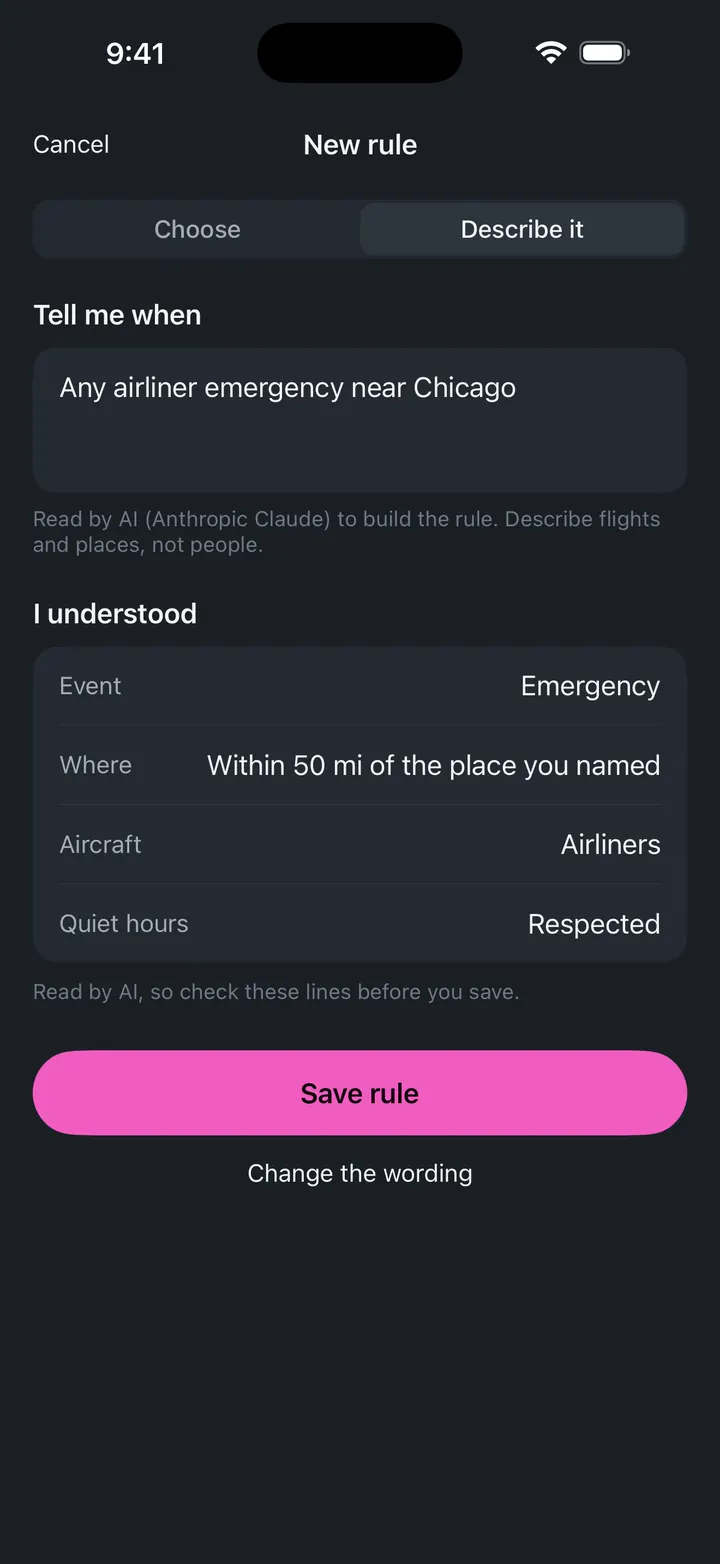
Follow a flight from the lock screen, see where its aircraft is now, and get a push when your airport's status changes.